Every person deserves a safe space to be heard before they're ready to ask for help.
The scale of the problem.
The mental health crisis is not a shortage of available resources. It is a failure of access — and a failure to reach people before they are ready to ask for help.
700,000+
Annual suicide deaths worldwide
WHO, 2023
70%
Of those with mental illness who never receive treatment
WHO Global Report
3–8×
Higher suicide risk for neurodivergent individuals
Clinical research
15–20%
Of the global population is neurodivergent
Global estimates
The pre-help-seeking gap
The barrier is not a lack of resources.
Most people experiencing mental health challenges are not in acute crisis and are not in therapy. They exist in the space between — struggling, but not ready to ask for help.
They stay silent because every prior experience has taught them that opening up is unsafe. They were judged. Dismissed. Fixed. They received solutions when they needed someone to simply listen.
This is the pre-help-seeking space. Almost no one is serving it properly.
The neurodivergent dimension
These barriers are larger for neurodivergent people.
People with ADHD, autism, and other neurodivergent conditions face 3–8 times the suicide risk of the general population. Not because of their neurodivergence — because of what the world does to them.
A lifetime of masking. Chronic misunderstanding. Healthcare systems built for neurotypical expression. Diagnosis waiting lists running three to five years and costing thousands.
This community is underserved by every existing solution in the market. That is why neurodivergent people are our primary audience — not an afterthought.
Our convictions.
What we believe
- 1
Connection heals before treatment does.
Being heard is not the same as being helped, but it is where healing begins. For most people, the path to professional support starts with feeling safe enough to speak at all.
- 2
Anonymity enables authenticity.
When people do not fear being identified, judged, or misunderstood, they say what they actually need to say. Safety must be felt — not just promised.
- 3
Neurodivergent minds are not broken.
They work differently. Every design decision on this platform starts from that position. Neurodivergence is not a deficit to be corrected — it is a difference that requires a different kind of support.
- 4
Access should not depend on wealth.
Private autism assessment costs £1,000–3,000 in the UK with a 3–5 year NHS waiting list. Therapy costs $150 a session. We are building something that closes that gap rather than accepting it.
- 5
The space between suffering alone and professional help is where we work.
Most people are not in acute crisis and not in therapy. They are somewhere in between, with nowhere safe to go. That is the space we are building for.
What we reject
Pathologising normal human struggle.
Forcing people to be ready before they are.
One-size-fits-all solutions built for neurotypical people.
Surveillance disguised as support.
Profit placed above the wellbeing of the people we serve.
“We are not building an app. We are building the space where people can finally stop pretending.”
Our vision
A world where no one navigates their mental health alone.
Where the right support meets people exactly where they are — peer connection before they are ready for therapy, accessible screening before they can afford a clinical assessment, professional care when they are finally ready for it.
Where neurodivergent individuals have a community that genuinely understands them — not because it was adapted for them, but because it was built by and for people who have been there.
Join the WaitlistGlobal alignment
UN Sustainable Development Goals
Our platform directly contributes to four global development goals — not as a framing exercise, but as a genuine description of what we are building and why.
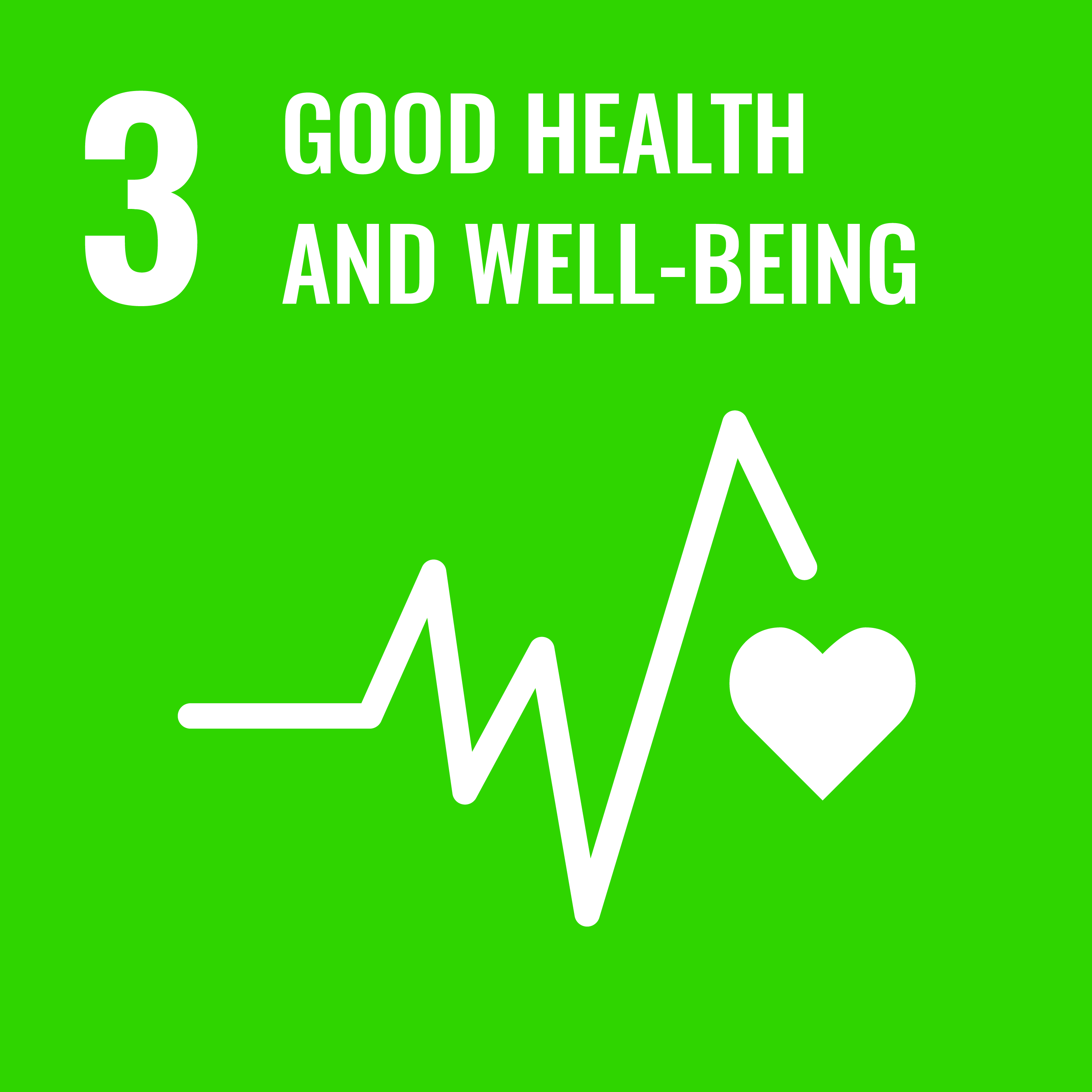
Targets 3.4 and 3.8 — reducing mental disorders and achieving universal mental health access
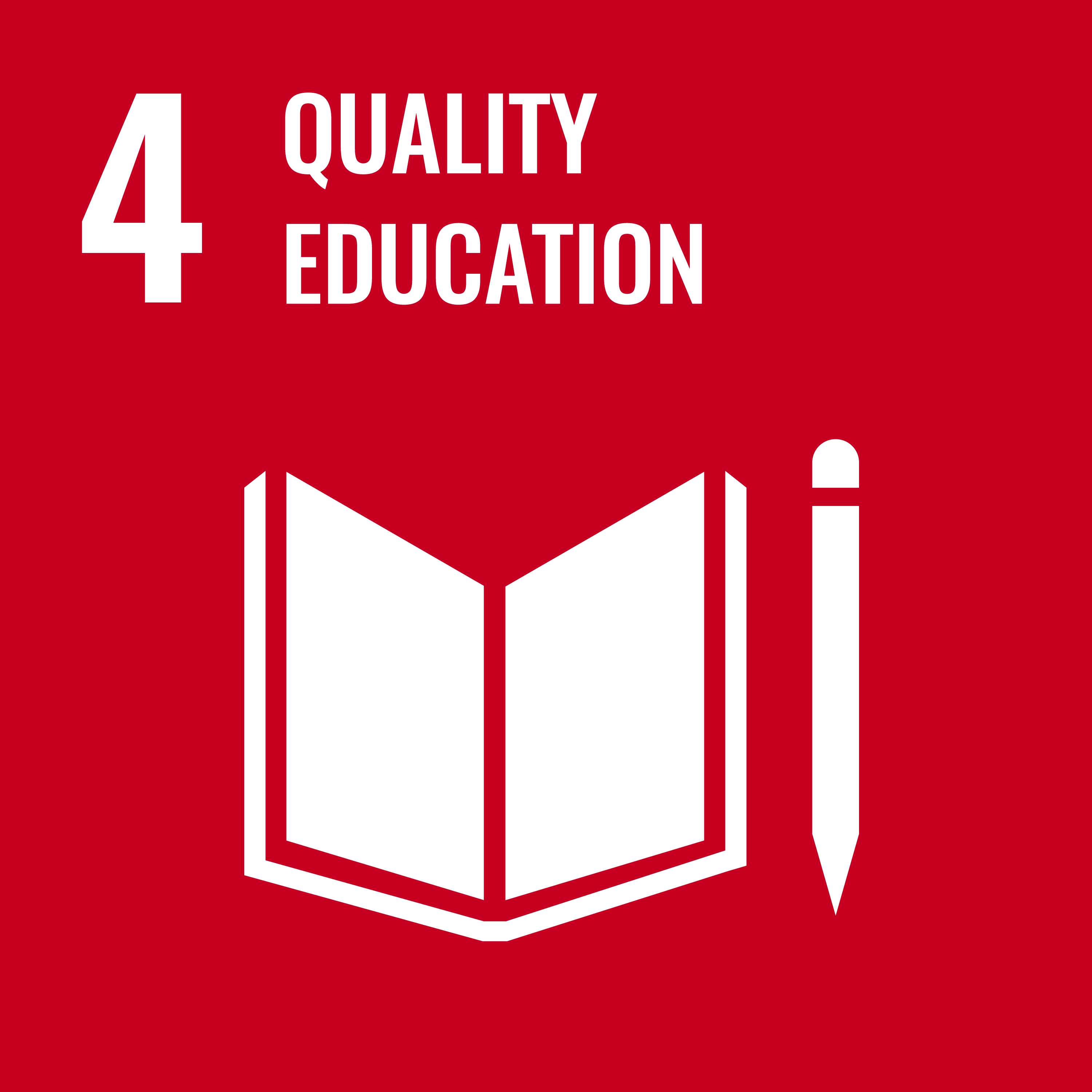
Addressing the student mental health crisis through university partnerships
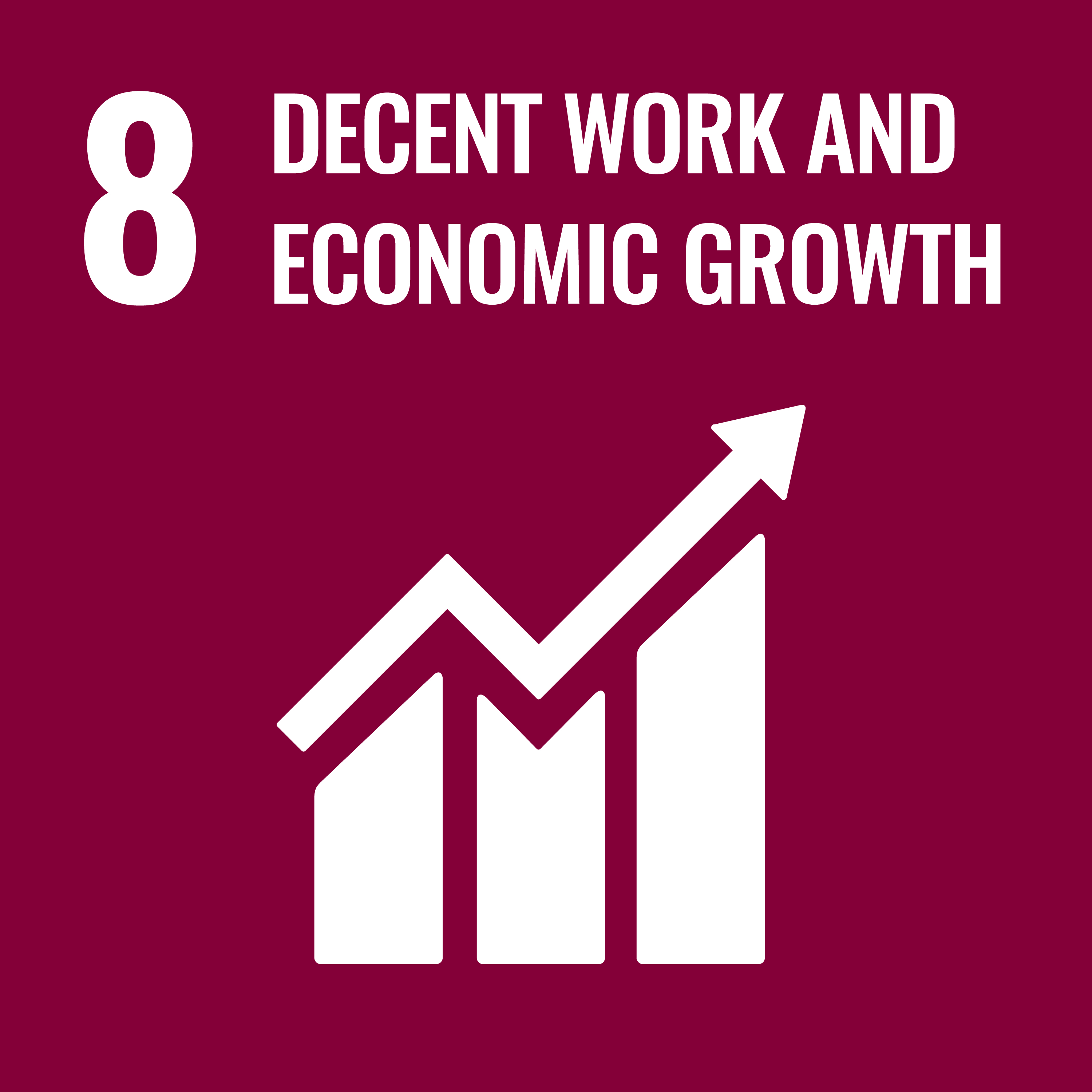
Supporting employee wellbeing through employer partnerships
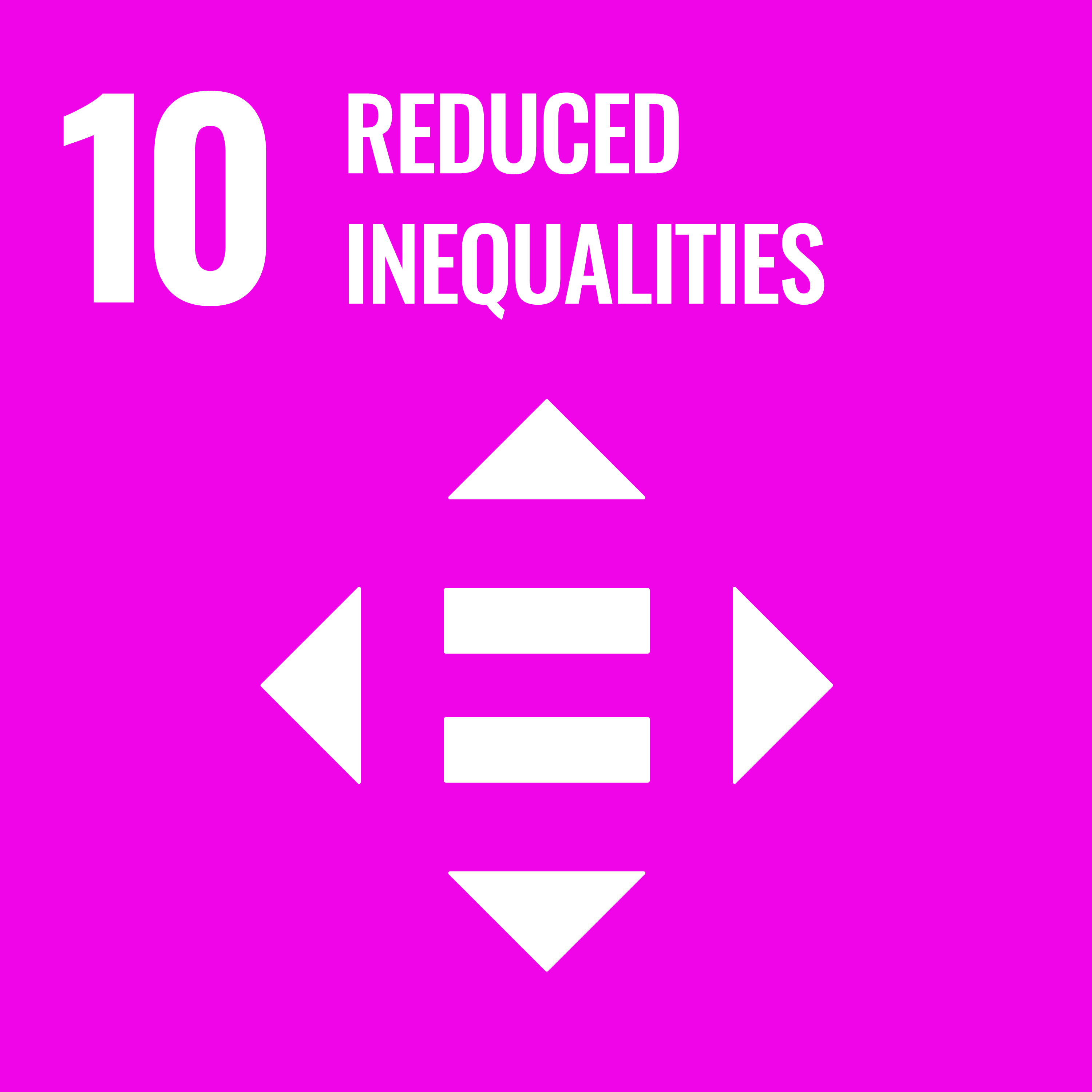
Closing the health access gap that neurodivergent people face globally
If this is the space you have been looking for,
you are in the right place.
Join the waitlist. Be among the first people on a platform built for the way your mind actually works.